RBT® Training Options
✅ 87.2% first-time pass rate on the RBT® board examination!
💬 AI-powered practice support! Study smarter with interactive, on-demand guidance from the RBT® Exam Prep AI ChatBot that helps you review, quiz, and reinforce key concepts instantly.
Preparing the environment is one of the most important (and most underestimated) parts of being an effective Registered Behavior Technician®. A smooth, successful ABA session doesn’t start when the RBT® sits with the client—it starts minutes before, during setup.
New RBTs often feel overwhelmed and focus mainly on the procedures, prompting, or taking data—yet the environment can make or break the entire session. A well-organized, distraction-free space sets the stage for learning, focus, and meaningful progress.
Here are 7 common environment preparation mistakes that new RBTs should avoid—and what to do instead.
Mistake 1. Not Gathering Materials Ahead of Time

One of the biggest mistakes new RBTs make is walking into a session without their materials fully ready.
From data sheets, teaching stimuli, token boards, reinforcers, and visual supports, everything should be within reach before the client arrives.
If you are scrambling to find a picture card or reinforcer mid-session, you lose momentum — and often the client’s attention.
- Prepare all materials in advance
- Double-check the lesson plan
- Keep everything organized and accessible
Mistake 2. Leaving Competing Reinforcers Visible

For example, tablet is a huge distraction — and that’s common with many clients.
- If competing reinforcers (toys, snacks, electronics) are left out:
- The client may grab them during teachingYour planned reinforcers lose valueEngagement decreases instantly
Always store competing items out of sight, in closed bins, drawers, or in another room, depending on the setting. A clean visual field = a more focused learner.
Mistake 3. Using the Same Reinforcer Over and Over

Even great reinforcers lose power if used every session. Many new RBTs forget to rotate reinforcers, leading to: Decreased motivation, More escape behaviors, and Reduced learning opportunities
- Rotate snacks, toys, tokens, visuals, and activities
- Conduct frequent preference checks
- Keep a backup reinforcer ready in case motivation drops
Motivation changes fast — be prepared.
Mistake 4. Not Reviewing the Client’s Session Notes Beforehand
Every RBT® should begin each session with a clear understanding of what happened previously — which goals were targeted, what behaviors occurred, which reinforcers worked, and what prompting strategies were used. This quick review sets the foundation for accurate, consistent, and effective teaching. Skipping this step can lead to inconsistent instruction, missed learning opportunities, and preventable data errors. The truth is, even 60 seconds of reviewing session notes can completely transform the quality and impact of the session that follows.
Mistake 5. Forgetting to Prepare Visual Supports
Visual supports are essential tools in ABA, yet they’re often overlooked or prepared too late. First-Then boards, picture schedules, token boards, visual rules, and manding picture cards all help guide the learner and make expectations clear. When these visuals aren’t set up before the client arrives, the RBT may end up spending valuable session time searching for materials instead of actively teaching. Preparing visuals ahead of time and placing them where the client can easily see and use them ensures smoother sessions, clearer communication, and more effective learning.
Mistake 6. Not Reducing Environmental Noise and Cluttering Competing Reinforcers Visible
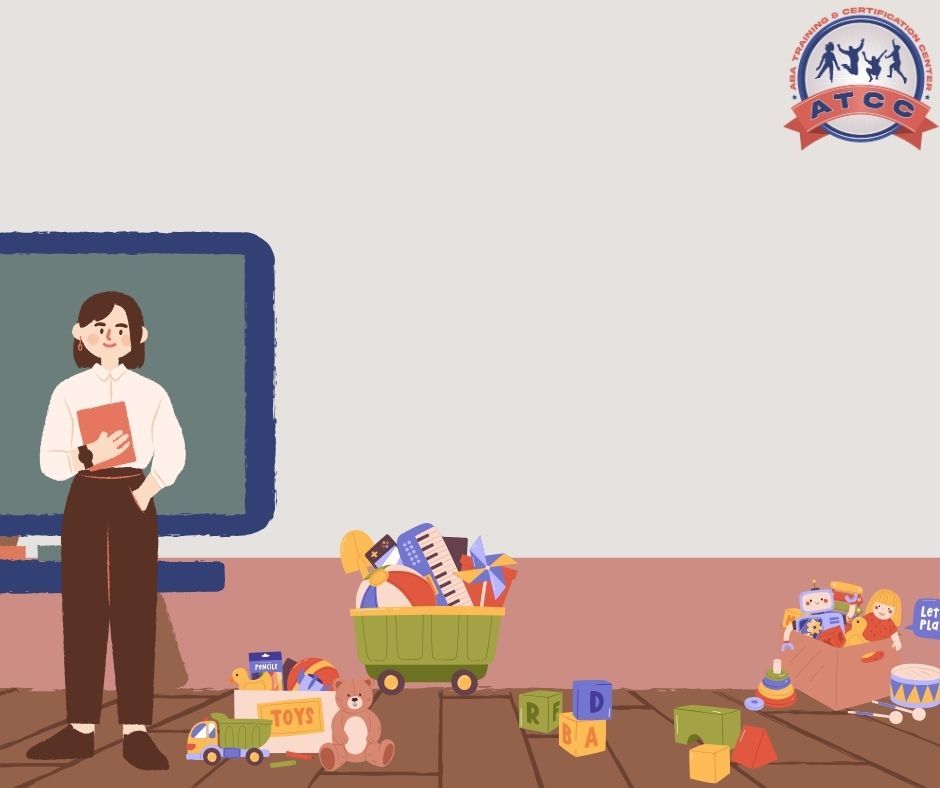
A cluttered, noisy environment makes learning significantly harder. New RBTs might forget to:
- Turn off the TV
- Ask family members to reduce noise
- Clear the table or floor
- Remove unnecessary material
Choose the quietest, cleanest space possible, and make sure everyone present knows that a session is in progress.
Mistake 7. Not Briefing Caregivers or Peers Before the Session

Caregivers play a major role in the success of every session, and one of the most common mistakes is not communicating expectations ahead of time. Without clear guidance, caregivers may unintentionally interrupt, offer unplanned reinforcers, redirect the client in a different way, or talk during teaching trials—all of which can disrupt learning. A simple, friendly briefing at the start of the session can prevent these issues. Let them know what the goals are for the day, when it’s okay to observe, when not to intervene, and how they can support the learner afterward. Clear communication sets everyone up for success and creates a smoother, more effective session for the client.
Keep Learning with ATCC®
ATCC® – A ready environment is a ready learner