Thinking about becoming a Registered Behavior Technician (RBT)? One of the first questions you probably have is: How much can I actually earn?
Good news! Becoming an RBT can open the door to a rewarding career in Applied Behavior Analysis (ABA), where you can earn a paycheck while helping individuals develop meaningful skills and greater independence.
But RBT salaries aren't the same everywhere. Your location, experience, employer, and work schedule can all affect how much you earn.
Let's explore RBT salaries, look at real job opportunities across five major U.S. states, and discover how you can begin your own RBT career.
Watch: How Much Do RBTs Really Make?
What Is the Average RBT Salary?
Many RBT jobs advertise hourly wages in the $20–$30 per hour range, although some positions pay below or above that amount.
To understand what those wages could mean, here are a few examples:
To understand what those wages could mean, here are a few examples:
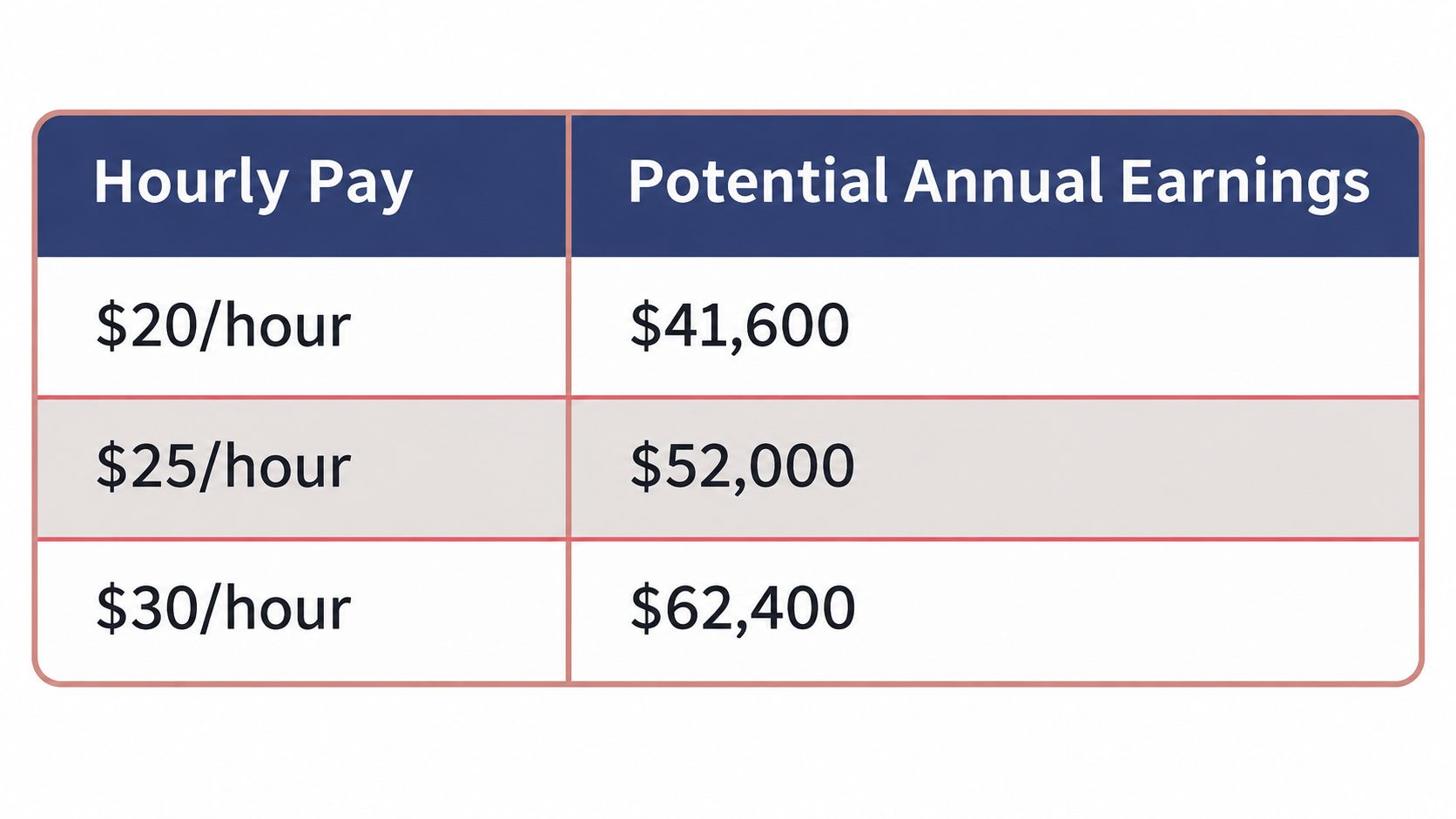
These are illustrations based on 40 paid hours per week for 52 weeks, before taxes. Actual income depends on scheduled and paid hours, cancellations, time off, and other employment conditions.
RBT Salaries in 5 Major U.S. States
We reviewed job advertisements in five of America's most populous states to give future RBTs a better understanding of potential earnings.
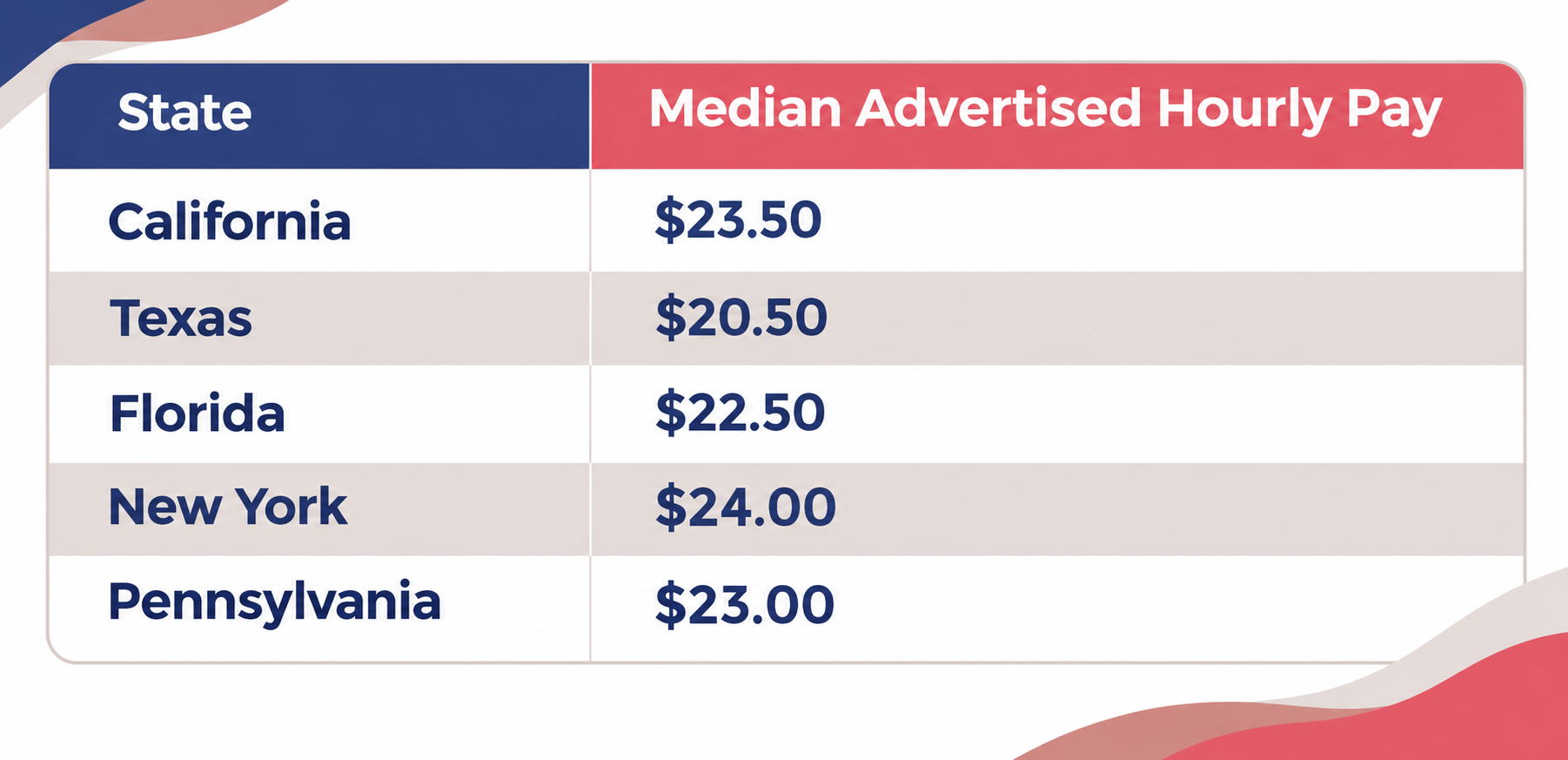
Source: TrueRounds RBT job-listing data, updated October 21, 2026. These figures represent median pay advertised in that site's listings, not official statewide average wages.
California: RBT Career Opportunities
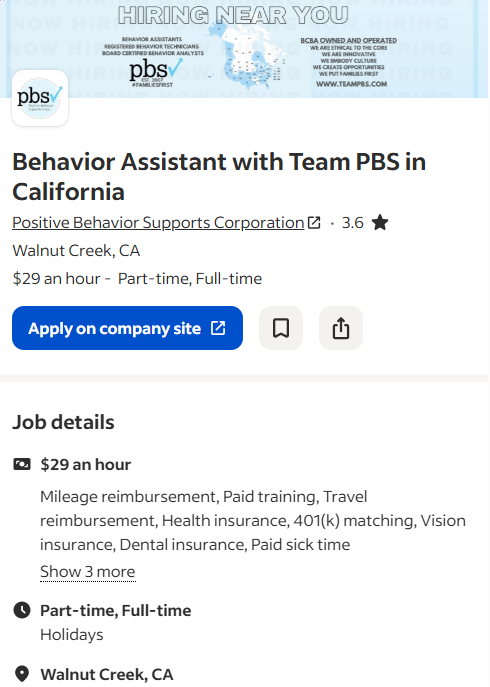
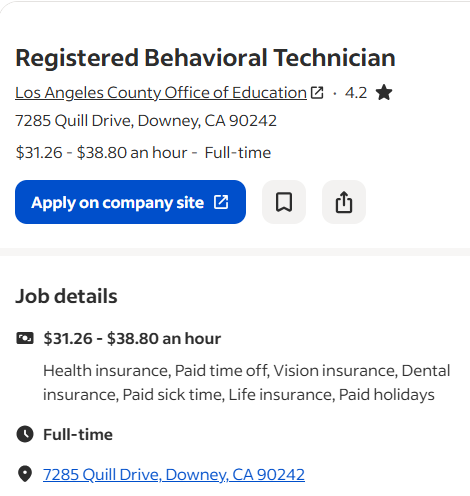
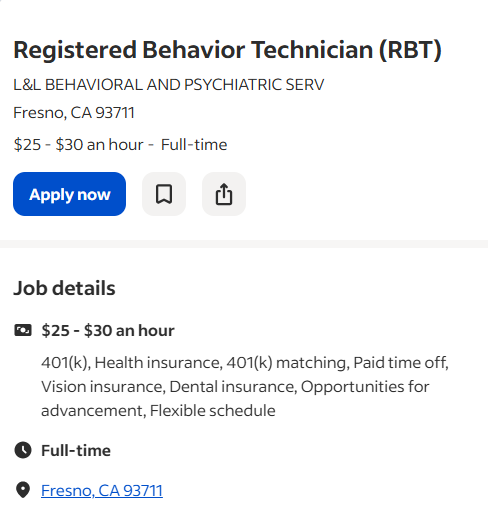
California offers RBT employment opportunities in ABA clinics, schools, homes, and community settings. In the job listings we reviewed, the median advertised pay was $23.50 per hour.
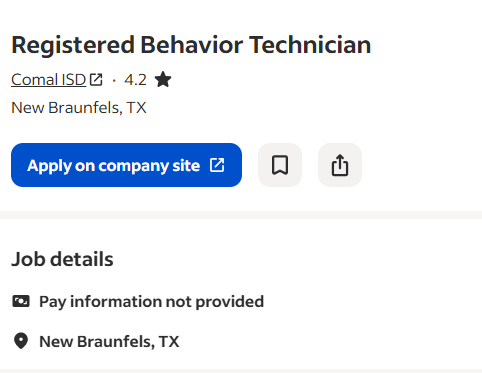
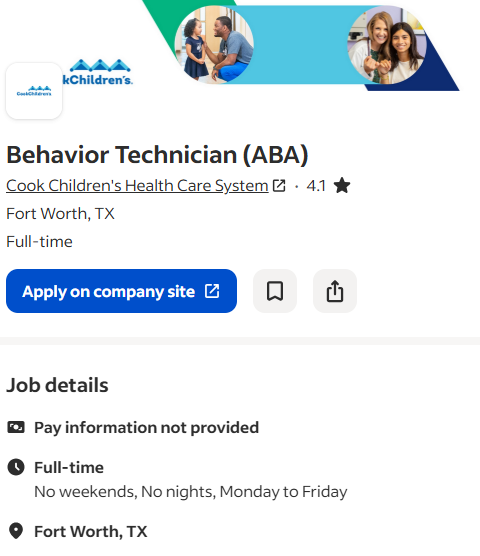
Texas: Explore RBT Opportunities
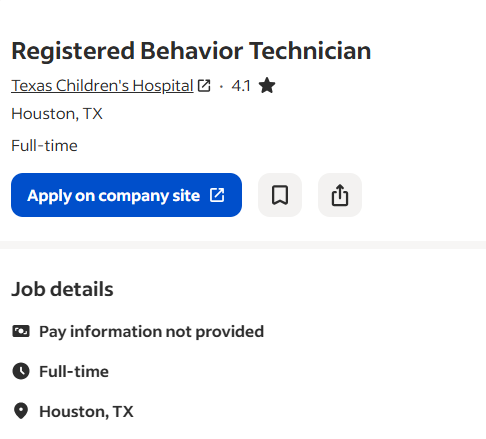
Texas offers RBT employment opportunities in ABA clinics, schools, homes, and community settings. In the job listings we reviewed, the median advertised pay was $20.50 per hour.
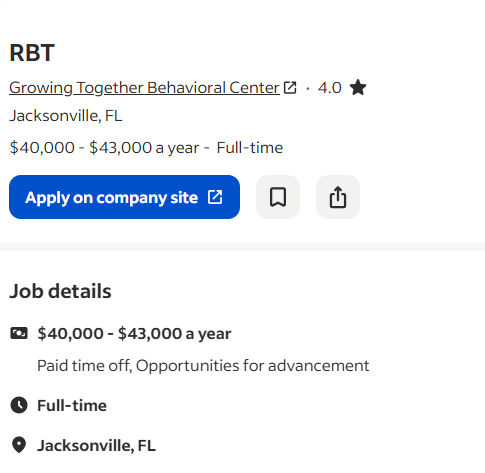
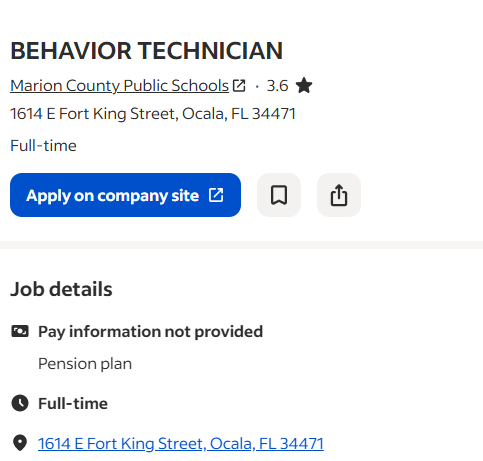
Florida: RBT Salary and Job Opportunities
Florida offers RBT employment opportunities in ABA clinics, schools, homes, and community settings. In the job listings we reviewed, the median advertised pay was $22.50 per hour.
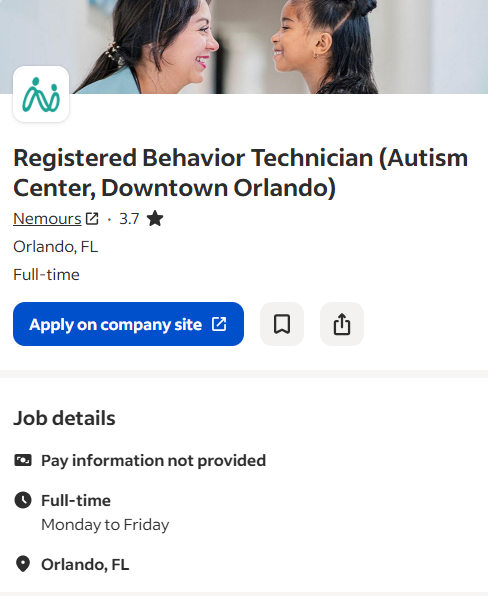
New York: RBT Career Opportunities
New York offers RBT employment opportunities in ABA clinics, schools, homes, and community settings. In the job listings we reviewed, the median advertised pay was $24.00 per hour.
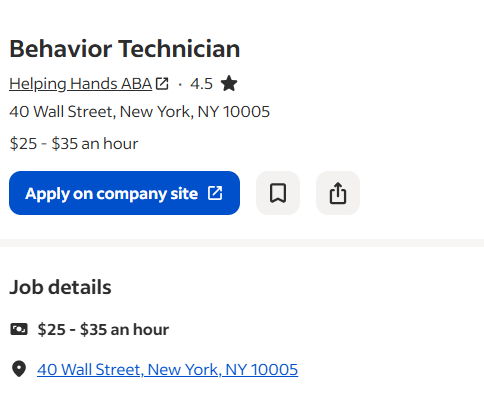
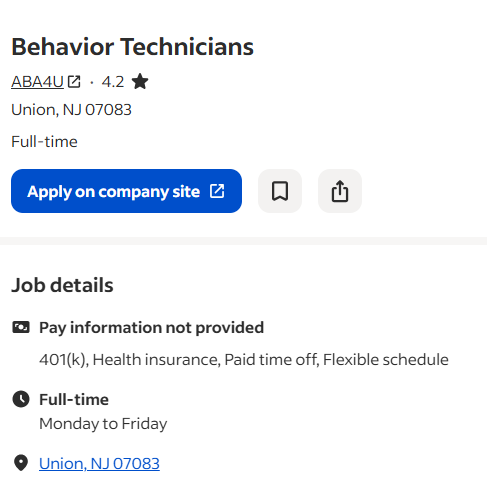
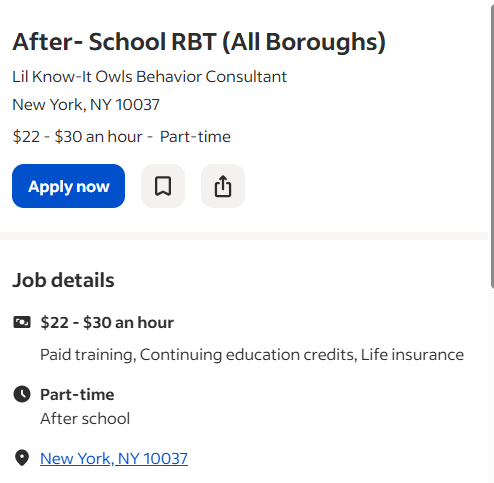
Pennsylvania: RBT Jobs and Salaries
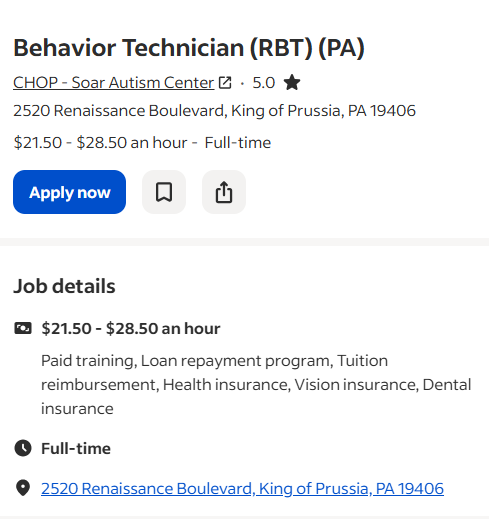
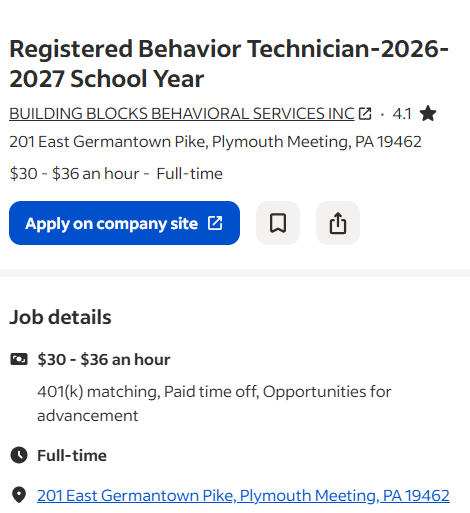
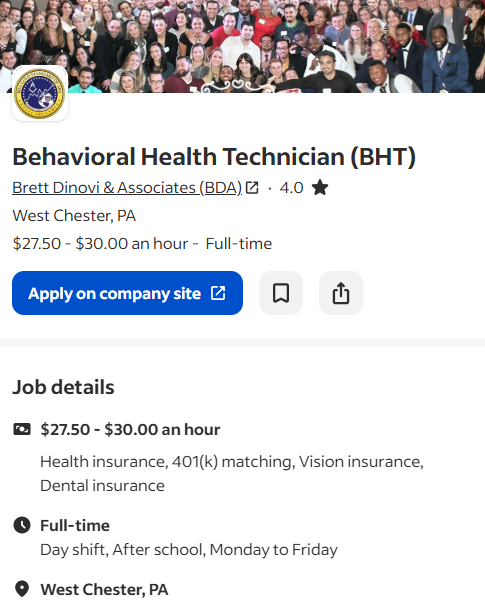
Pennsylvania offers RBT employment opportunities in ABA clinics, schools, homes, and community settings. In the job listings we reviewed, the median advertised pay was $23.00 per hour.
What Affects Your Salary as an RBT?
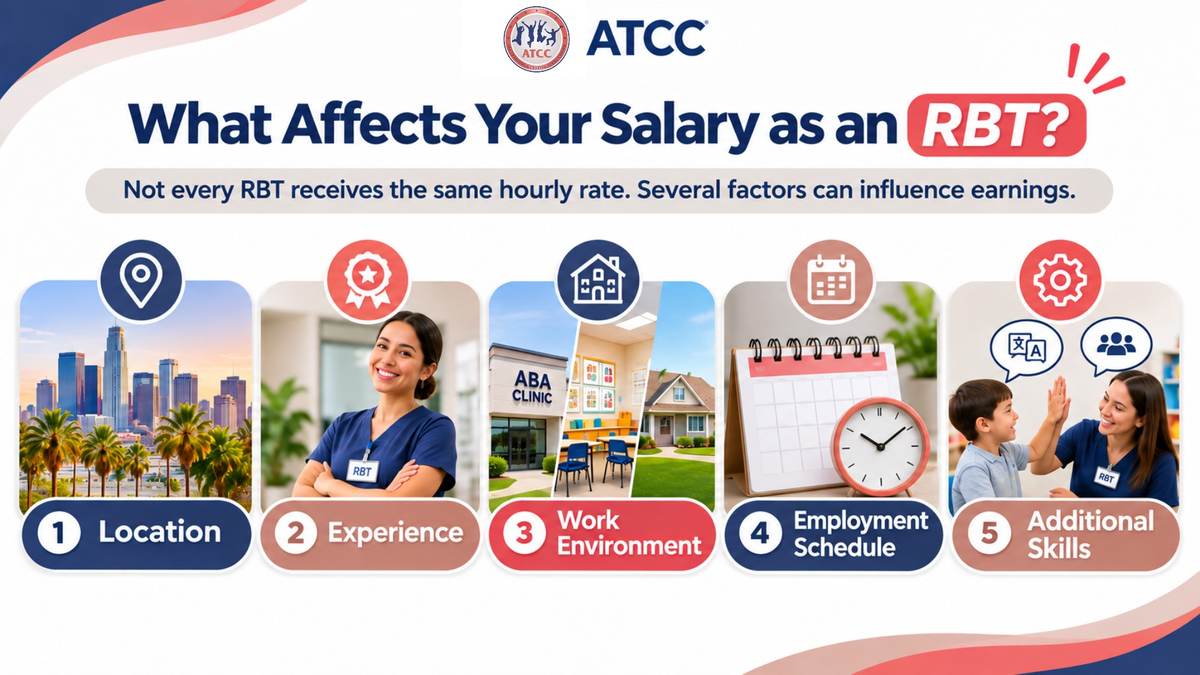
Not every RBT receives the same hourly rate. Several factors can influence earnings.
Location
Geographic location can make a difference. Salaries often vary based on local labor markets and employer needs.
Experience
Employers may offer different compensation to newly certified RBTs and technicians with substantial experience working in ABA.
Work Environment
RBTs may work in clinics, schools, clients' homes, or community settings. Compensation and scheduling can vary between these environments.
Employment Schedule
Some positions offer consistent full-time hours, while others provide part-time or client-based schedules. It's important to ask employers about guaranteed hours, cancellations, and whether training and administrative time are paid.
Additional Skills
Bilingual abilities, specialized experience, and other relevant qualifications may help candidates qualify for certain positions or pay opportunities.
Where Can You Work as an RBT?
One of the exciting things about an RBT career is the variety of professional settings you may explore.
RBTs commonly work in:
- ABA therapy clinics and autism treatment centers
- Public and private educational settings
- Home-based ABA programs
- Community-based behavioral services
- Other organizations providing supervised behavior-analytic services
RBTs work under qualified supervision and implement treatment procedures within their professional scope.
Whether you prefer working in a classroom or helping clients practice skills in everyday environments, there may be an opportunity that aligns with your interests.
Is Becoming an RBT a Good Career Choice?
If you're looking for a career where you can work directly with people, build practical skills, and contribute to meaningful progress, becoming an RBT may be worth considering.
You don't need a college degree to qualify for RBT certification. However, you must meet the Behavior Analyst Certification Board's (BACB) eligibility, training, assessment, examination, and other requirements.
An RBT career can also introduce you to the broader ABA profession. Some individuals choose to continue their education and eventually pursue advanced credentials such as BCaBA or BCBA, which have separate education and certification requirements.
Choose Your RBT® Path with ATCC
Not every future RBT® starts from the same place.
If you already have access to a BCBA® or employer who can help with the certification steps after training, ATCC’s 40-Hour RBT® Training gives you a flexible way to complete the required coursework and prepare for what comes next.
If you’re starting without that support, the Full RBT® Certification Program may be a better fit. Instead of piecing together each step on your own, you’ll receive guidance with the competency assessment, BACB® application, exam preparation, and other parts of the certification process.
Watch the video below for a quick look at both options and decide which path fits where you are right now.
Reviews and Testimonials
Meet Catia
Meet Catia, an ATCC alumna success story who is now an RBT®. In her testimonial, Catia shares her experience with ATCC and how the training and support helped her move forward in her RBT journey. Her story gives future RBTs a real look at how clear guidance, encouragement, and preparation can make the process feel more achievable.
Meet Maeonna
Meet Maeonna, an ATCC alumna who is now putting her training into practice in the field. Her story shows how the right support and preparation can help future RBTs build confidence, grow professionally, and take meaningful steps toward success in their ABA career.
These stories matter because becoming an RBT® is not just about completing a course. It is about building confidence, understanding ABA concepts, and preparing for a professional role that requires compassion, responsibility, and strong foundational training.
ATCC’s mission is to make ABA certifications, strategies, and therapy for children with autism accessible to everyone. We offer comprehensive ABA training—including the RBT® 2026 40‑Hour Training Requirements and the RBT® Test Content Outline (3rd ed.)—alongside the RBT® Competency Assessment, Full RBT® Certification Program, Rapid RBT® Exam Prep, AB-1172 School Behavioral Training, Parent & Caregiver Training, and Remote BCBA® Supervision for graduate students, all designed to empower those working with children diagnosed with Autism Spectrum Disorder (ASD).
1-877-770-2822
SUPPORT@ATCCONLINE.COM
AFFILIATE PROGRAM
CONTACT US
1-877-770-2822
SUPPORT@ATCCONLINE.COM
AFFILIATE PROGRAM
CONTACT US